Best gardeners near Clapham Common for small yard makeovers
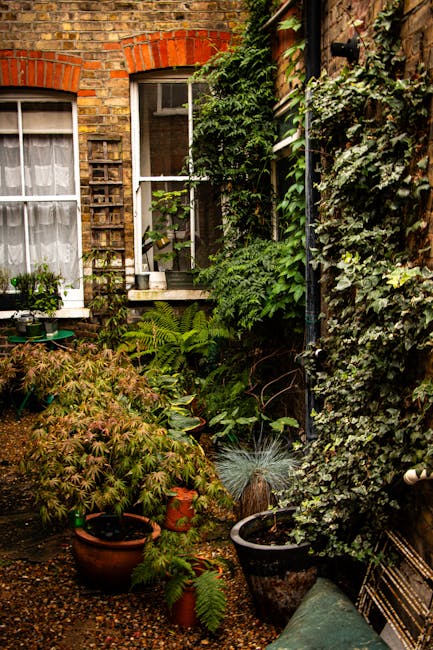
If your yard near Clapham Common feels too cramped, too tired, or just a bit awkward to use, you are not alone. Small outdoor spaces in this part of London often have to work hard: a place to sit, somewhere for plants, a bit of storage, maybe a patch of lawn, and ideally no constant mess. The best gardeners near Clapham Common for small yard makeovers understand that challenge well. They know how to make a tight space feel calmer, brighter, and far more usable without turning it into something overworked or unrealistic.
This guide breaks down what small yard makeovers involve, how good gardeners approach them, what to ask before you book, and which services tend to matter most in compact London gardens. You will also find a practical checklist, a comparison table, and a real-world example to help you judge what your own space needs. Let's face it, a small yard does not need to be bigger to feel better. It needs to be planned properly.
Why small yard makeovers near Clapham Common matter
Small yards are easy to underestimate. A narrow patio, a shady strip at the back of a terraced house, or a little courtyard can quickly become a dumping ground for broken pots, patchy turf, and that one chair nobody quite trusts. But with the right approach, these spaces can become some of the most valuable square footage on the property. In London, where every metre counts, that matters a lot.
Near Clapham Common, many gardens and yards have awkward shapes, limited light, overlooked corners, or patchy surfaces that have seen better days. The best gardeners in the area are usually the ones who can look at a modest space and spot the possibilities straight away: better flow, smarter planting, cleaner edges, and surfaces that are easier to maintain. That sort of judgement is worth more than a flashy design sketch, to be fair.
A good small yard makeover is not about cramming in every idea you have. It is about making careful choices. Do you want a sociable seating area? A low-maintenance planting scheme? Somewhere for children or pets? A more polished space for resale or letting? The answer changes the entire plan.
There is also a trust element here. Small gardens are less forgiving than large ones. If drainage is poor, if materials are too heavy visually, or if the layout blocks movement, the result can feel tighter than before. A skilled gardener will think through the whole space, not just the obvious corner at the end. That is why local experience matters.
How small yard makeovers work
At a basic level, a small yard makeover follows a simple sequence: assess, clear, design, build, plant, and maintain. But the detail in each stage is where the difference comes from. Good gardeners do not start with tools. They start with questions.
They will usually look at how the space is used through the day, where the light falls, how water drains after rain, how private it feels, and what practical issues are getting in the way. Sometimes the answer is simple, like a fresh cut and tidy edges. Other times the space needs a more complete rethink with new planting, new levels, or hard landscaping.
If you want a deeper service overview, it can help to review the company's garden services overview before you decide how much of the work you need handled. For properties that need a full reset first, a proper garden clearance can make the difference between a tired yard and a usable blank slate.
In smaller spaces, the order of work matters. A team may need to remove waste before measuring properly, trim back hedges to open light, or mow and edge before deciding what stays. That sounds obvious, but people often skip straight to plant shopping and then wonder why the garden still feels off. The bones of the space matter.
Professional gardeners also think in layers. A small yard usually has:
- a ground layer, such as paving, lawn, gravel, or decking
- a middle layer, such as planters, raised beds, or screening
- a vertical layer, such as climbers, trellis, treed structure, or a clipped hedge
That vertical thinking is where a small yard starts to feel bigger. Quite often, the best change is not adding more. It is lifting the eye.
Key benefits and practical advantages
A well-planned small yard makeover gives you more than a prettier view. It can change how the whole home feels day to day. If your back door opens onto a neat, intentional space, the house feels better kept. It sounds minor, but anyone who has walked into a cluttered yard on a grey Tuesday morning knows the feeling.
Here are the main benefits people usually notice first:
- Better use of space: Every corner has a job, even if that job is simply making the garden feel calmer.
- Lower maintenance: A practical design can reduce weekly jobs and make upkeep easier.
- More privacy: Screening, hedging, and clever planting help smaller spaces feel less exposed.
- Improved light and flow: Clear paths and lighter materials can make a yard feel more open.
- Better property appeal: A tidy, well-finished yard tends to support first impressions, especially for lettings or resale.
- More enjoyment: This is the simple one, really. You are more likely to use a space you like being in.
There is also a practical side many people forget: maintenance. A beautiful yard that is hard to keep tidy becomes a source of low-level stress. That is not what you want. The strongest small makeovers are designed so you can live with them, not just admire them on day one.
For regular upkeep after the transformation, a local garden maintenance service can be the difference between a space that stays sharp and one that slowly drifts back into clutter. And if the final plan includes a lawn, even a compact one, lawn mowing support can keep the whole look tidy without turning Saturday into another chore-fest.
Who this is for and when it makes sense
Small yard makeovers are not just for people with a grand design vision. In practice, they suit very ordinary situations. A lot of the time, the need is practical rather than glamorous.
You may be a good fit if:
- your yard is too messy, too dark, or too cluttered to enjoy
- you have moved into a property that needs a fresh start
- you want a low-maintenance outdoor area for busy family life
- you are preparing to sell or let a home and want a stronger first impression
- you have a compact outdoor space that currently feels unused
- you need a mix of clearance, tidy-up work, and light landscaping
It also makes sense when a yard is technically functional but visually tired. A cracked border here, a weedy patch there, a hedge that has gone a bit wild. Nothing dramatic, just enough to make the whole thing feel neglected. You know the type.
Not every garden needs a full redesign. Sometimes the best move is a smaller intervention: trimming, cleanup, fresh edging, one new feature, and a sensible planting refresh. Other times the space is crying out for a more complete landscaping approach or some structured landscape gardening work. A good gardener should be able to tell you which is which without pushing for more than you need.
Step-by-step guidance
Here is a straightforward way to think about a small yard makeover. It is not the only way, but it is a sensible one.
- Walk the space properly. Notice where you naturally step, where water collects, and which areas feel awkward.
- Decide the purpose. Is this a seating space, a planting space, a pet-friendly area, or a low-effort courtyard?
- Clear the clutter. Remove dead plants, broken containers, unwanted items, and any waste that blocks planning.
- Protect the useful features. A decent fence, mature plant, or good paving can often be kept and improved rather than replaced.
- Set the structure first. Layout, surfaces, screening, and borders come before decorative details.
- Choose a small plant palette. A limited set of plants often looks more polished than a crowded mix.
- Add lighting or vertical detail if needed. Even a simple trellis or wall climber can soften a yard fast.
- Finish with maintenance planning. Decide how the space will stay neat in the weeks and months after the makeover.
That last step is where many people wobble. The design looks great, then life happens, and suddenly the weeds are back. If you are short on time, build maintenance into the plan from the start. It is easier than trying to rescue a space later. Much easier.
For some yards, the work starts with hedges or overgrown boundaries. In that case, hedge trimming can open the garden up visually and make room for better shape and light. For others, the first job is simply to remove bulky cuttings and debris, where garden clearance keeps the project moving cleanly.
A small yard can also benefit from carefully planned timber features. If the brief includes a raised seating zone, steps, or a neat transition between areas, look at decking services. Used well, decking can create a clear usable surface without making the space feel heavy.
Expert tips for better results
In small gardens, restraint is a superpower. Seriously. The temptation is to fill every inch, but negative space matters just as much as planting. A little breathing room makes the space feel deliberate instead of crowded.
Here are some practical tips that experienced gardeners tend to lean on:
- Use repetition. Repeating a couple of plant types or materials gives a small yard visual calm.
- Keep the colour palette tight. Too many colours can make a compact space feel busy.
- Choose materials carefully. Light-toned paving or gravel can brighten dark corners, but it still needs to suit the property.
- Think vertically. Wall planting, climbers, and slim screening can add interest without stealing floor space.
- Mind maintenance from day one. A low-maintenance design is usually the best investment in a city garden.
- Check drainage before committing to hard surfaces. A beautiful layout is no use if puddles form after every decent shower.
One of the quieter tricks is border depth. Thin borders often look accidental. Slightly deeper planting areas, even if only in a couple of spots, can make a yard feel more substantial. Not bigger exactly, but more intentional.
If sustainability matters to you, ask how green waste will be handled and whether materials can be reused where possible. A gardener who cares about waste reduction should be able to explain their approach clearly. You can also look at the business's recycling and sustainability information for extra reassurance.
And here is a small, honest note: not every makeover needs a dramatic before-and-after moment. Sometimes the smartest result is simply a yard that feels calm, tidy, and easy to step into with a cup of tea. That counts.
Common mistakes to avoid
Small yard projects can go wrong in predictable ways. The good news is that most of them are avoidable once you know what to look for.
- Trying to do too much. Too many materials, colours, or features can make the space feel smaller.
- Ignoring access. If bins, tools, or seating are hard to move around, the garden will become annoying to use.
- Overplanting. Plants need room to grow. Cramped planting can look neat for a month and messy after that.
- Skipping the clean-up stage. A makeover built on top of clutter usually stays cluttered.
- Choosing looks over upkeep. If a design needs constant attention, it may not suit a busy household.
- Forgetting the seasons. A space that looks fine in summer can feel barren in winter unless there is structural interest.
There is also a budget mistake people make: spending too much on one feature and leaving the rest unresolved. A single premium planter or fancy finish will not save a garden that still has poor flow. The whole picture has to work.
For example, if the yard needs a fresh start first, it may be more sensible to invest in clearance and shaping before committing to decorative finishes. That is where a sensible supplier or gardener earns your trust: they help you sequence the work properly instead of just nodding at every idea.
Tools, resources and recommendations
You do not need a shed full of specialist gear to manage a small yard well, but a professional team will usually arrive with the right blend of cutting, clearing, shaping, and finishing tools for the job. For homeowners, the useful thing is understanding what each type of work actually does.
Common service areas that matter in compact yard makeovers include:
- Clearance: removing unwanted waste, overgrowth, and debris
- Maintenance: keeping surfaces, borders, and planting neat
- Hedge trimming: improving light, shape, and privacy
- Lawn care: cutting, edging, and keeping turf manageable
- Landscape design: planning structure, materials, and flow
- Tree work: managing larger vegetation that affects light or safety
If you are comparing providers, it helps to review who they are and how they work before discussing the project itself. The company's about us page is a sensible starting point if you want a clearer sense of their background and working style. If you are already planning the job, pricing and quotes can help you understand how estimates are typically handled.
For practical follow-up, the most useful "resource" is often the aftercare plan. What gets trimmed monthly? Which plants need seasonal attention? What should be left alone? Good guidance on this saves a lot of guesswork later on, and guesswork is where gardens drift.
For tricky overgrowth or trees casting too much shade, it can also be worth exploring tree lopping and removal where appropriate. Not every yard needs it, obviously, but in a tight urban garden, even a small change in canopy can transform the feel of the place.
Law, compliance, standards, and best practice
For most small yard makeovers, the work is straightforward. Still, there are a few UK best-practice considerations worth keeping in mind. You do not need to turn into a compliance expert, but you should expect the gardener to work safely, tidy responsibly, and explain anything that could affect access, neighbours, or waste handling.
Good practice usually includes:
- safe handling of tools and machinery
- careful disposal of green waste and debris
- respect for neighbour access and shared boundaries
- clear communication about what is being removed or kept
- appropriate care around trees, hedges, and established structures
If heavy lifting, cutting, or tree work is involved, it is sensible to ask how safety is managed on site. The business's health and safety policy and insurance and safety information can give you a clearer picture of how seriously they take that side of the job.
Where waste is being removed, it is also reasonable to ask how it is sorted. In a professional setting, garden waste should be handled responsibly, and clean-up should not be an afterthought. No one wants a "finished" yard with a pile of cuttings sitting in the corner, still looking at you.
For customers who care about transparency in service terms, payment handling, or terms of work, it can be helpful to review the relevant site pages before booking. That kind of clarity is part of good service, not admin for admin's sake.
Options, methods, and comparison table
Not every small yard needs the same solution. A tidy-up is not the same as a makeover, and a makeover is not the same as a full redesign. Here is a simple comparison to help you decide what fits best.
| Approach | Best for | Typical scope | Pros | Possible downside |
|---|---|---|---|---|
| Simple tidy-up | Gardens that are basically fine but messy | Mowing, trimming, edging, light clearance | Quick, cost-conscious, immediate improvement | Does not solve layout or long-term usability |
| Makeover refresh | Yards needing clearer structure and better finish | Clearance, new borders, planting refresh, surface repairs | Balanced improvement without a full rebuild | May still leave deeper design issues unresolved |
| Full redesign | Spaces with poor flow, drainage issues, or major clutter | Planning, landscaping, hard surfaces, planting, screening | Most transformative and tailored outcome | More time, more coordination, usually a bigger budget |
For many Clapham Common properties, the middle option is the sweet spot. It gives enough change to make the yard useful, but avoids overcomplicating things. A full redesign is brilliant when needed, but not every small garden needs to be turned into a showpiece. Sometimes all it needs is to stop fighting you.
Case study or real-world example
Here is a realistic example based on the kind of project that comes up often in this part of London.
A compact back yard behind a terraced property had become a storage zone. There was a patchy lawn, a narrow run of paving, a hedge that had grown too wide, and a few containers filled with tired soil and half-living plants. The owners wanted somewhere they could actually sit in the evening, even if only for half an hour after work.
The first step was clearance. Old pots, dead planting, and loose debris were removed. Then the hedge was cut back so light could reach the yard properly. That alone changed the space more than expected. Suddenly the middle of the yard did not feel like a tunnel.
Next came the layout decision. Rather than keeping the patchy lawn, the garden was reworked into a simpler arrangement: one clean seating area, a modest planted border, and a couple of taller plants for structure. The finish was not elaborate. It did not need to be. The goal was a space that felt tidy, calm, and easy to use.
The biggest improvement was actually emotional, not visual. The owners stopped avoiding the yard. They used it. Morning coffee, a late phone call standing outside, a few herbs in pots by the door. That is what a good small makeover should do. Make the space liveable again.
Practical checklist
Use this checklist before you speak to a gardener or start planning the project.
- Decide what the yard should do first: seating, planting, storage, privacy, or all of these.
- Identify what can stay and what must go.
- Check whether you need clearance before design work begins.
- Measure the space, or ask for help with it if the shape is awkward.
- Think about sun, shade, drainage, and privacy.
- Choose a maintenance level you can realistically keep up with.
- Ask how waste will be removed and whether materials can be reused responsibly.
- Confirm what is included in the quote and what is not.
- Ask about insurance, safety, and working practices if any heavy work is involved.
- Plan for aftercare so the space stays good, not just looks good.
If you want a gardener who can handle both the visual side and the practical side, it is worth looking at the company's services overview and then narrowing down the exact support you need. That is usually a better route than starting with a shopping list of random features.
Expert summary: the best small yard makeovers near Clapham Common are simple, well-sequenced, and honest about maintenance. A good gardener does not just make the space prettier. They make it easier to live with.
Get a free quote today and see how much you can save.
Conclusion
The best gardeners near Clapham Common for small yard makeovers are the ones who understand space, proportion, and everyday use. That sounds simple, but it is the difference between a yard that merely looks improved and one that genuinely changes how your home feels. In a compact London setting, that difference matters more than most people expect.
Whether you need a full clear-out, careful trimming, more structured planting, or a modest redesign that makes everything work better, the right approach is to keep the space honest. Build around how you live. Keep the layout clear. Choose materials and planting you can actually maintain. And do not be afraid of leaving a little room to breathe.
If you are ready to turn a tired corner into something useful, calm, and a bit lovely, that is a very good place to start. Small gardens can surprise you. They really can.
Frequently Asked Questions
What makes a gardener a good fit for small yard makeovers near Clapham Common?
A good fit is someone who understands compact layouts, drainage, light, maintenance, and proportion. In small yards, the details matter more than the scale, so you want a gardener who can simplify rather than overload the space.
Do small yard makeovers always need landscaping work?
Not always. Some yards only need clearance, trimming, planting updates, and a tidy layout. Others benefit from more structural landscaping. The right answer depends on the condition of the space.
How long does a small yard makeover usually take?
That depends on the scope. A light refresh can be done quickly, while a fuller redesign takes longer because of planning, materials, and finishing work. A proper quote should give you a realistic timescale rather than a vague promise.
Is a small yard makeover worth it if I only have a tiny space?
Yes, often it is. Tiny spaces can become the most useful parts of a property when they are planned well. A neat courtyard or yard can feel surprisingly generous once clutter and awkward layout problems are removed.
What is the best first step if my yard is overgrown and messy?
Start with clearance. Removing waste, dead growth, and visual clutter creates room to assess the layout properly. A lot of people skip this and try to design around the mess, which usually ends badly.
Should I choose lawn, paving, decking, or planting in a small yard?
It depends on how you will use the space. Paving is practical, planting adds softness, decking can create a defined seating area, and lawn works best when you want a softer feel and can maintain it. Many yards use a mix.
How can I make a small yard feel bigger?
Use lighter materials, keep the layout simple, add vertical planting, and avoid overcrowding. Clear sightlines help too. Sometimes removing one awkward feature makes the whole garden feel twice as open.
Do I need hedge trimming before a makeover?
If hedges are blocking light or making the space feel closed in, yes, trimming can be an important early step. It often improves the shape and lets the rest of the design breathe. That can make a bigger difference than people expect.
How do I know if a gardener is trustworthy and professional?
Look for clear communication, sensible advice, transparent pricing, and straightforward information about safety and insurance. It also helps if they explain what they would not do. That honesty matters.
What should be included in a quote for a small yard makeover?
A good quote should explain the scope of work, materials, clearance or waste removal if relevant, and any follow-up maintenance. If something sounds vague, ask for clarification before agreeing. No need to be awkward about it.
Can a small yard makeover be low maintenance?
Absolutely. In fact, that is often the best outcome for busy households. The key is to choose durable materials, sensible planting, and a design that does not create extra weekly work. Low maintenance does not have to mean plain.
What services are most useful for a compact garden project?
Typically, the most useful services are garden clearance, garden maintenance, hedge trimming, lawn mowing, and where needed, decking services. The right mix depends on the starting condition of the yard.
How do I get started if I live near Clapham Common?
Start by deciding what you want the yard to feel like and what problems need solving first. Then compare the services offered, review the company information, and ask for a quote based on the actual space. If you are ready to take the next step, the simplest route is to contact the team directly and talk through your ideas.
Can I improve a small yard without a full redesign?
Yes. Sometimes the best result comes from a cleaner layout, fresh trimming, a few smart plant choices, and better maintenance. A full redesign is not always necessary. Quite often, less really is more.